
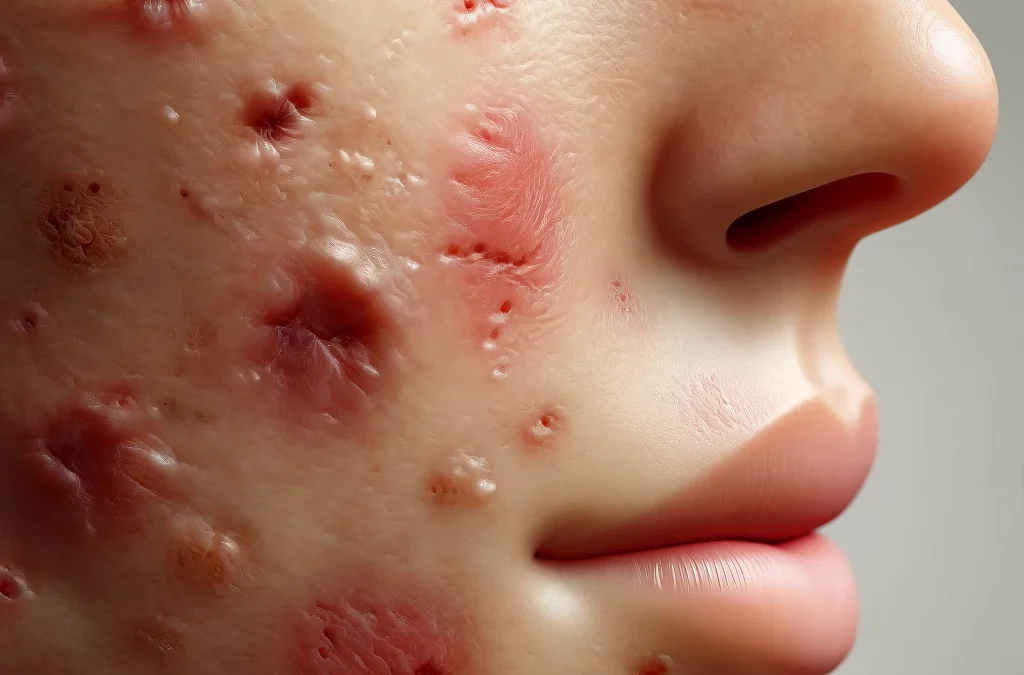
Common Skin Concerns as You Age: What to Expect and How to Address Them
Aging is a natural process that brings many changes to our bodies, including our skin. As we grow older, our skin undergoes various transformations that can lead to common concerns such as wrinkles, dryness, and age spots. Understanding these changes and how to address them can help maintain healthy, youthful skin. In this blog post, we’ll explore the most common skin concerns associated with aging and provide tips on how to manage them effectively.
Wrinkles and Fine Lines
What Causes Them: Wrinkles and fine lines are perhaps the most recognizable signs of aging. They result from a combination of factors including the natural decline in collagen and elastin production, repeated facial expressions, and exposure to environmental stressors like UV radiation.
How to Address Them:
- Sun Protection: Regular use of sunscreen can significantly slow down the formation of wrinkles. Choose a broad-spectrum sunscreen with at least SPF 30.
- Retinoids: Topical retinoids, such as retinol or prescription tretinoin, can stimulate collagen production and reduce the appearance of fine lines.
- Hydration: Keeping the skin well-moisturized can plump up the skin and make wrinkles less noticeable. Look for moisturizers with hyaluronic acid or glycerin.
- Professional Treatments: Consider treatments like chemical peels, laser resurfacing, or Botox injections for more significant results.
Dryness and Dehydration
What Causes It: As we age, our skin produces less oil, leading to dryness and a decrease in the skin’s natural moisture barrier. This can result in rough, flaky, or itchy skin.
How to Address It:
- Gentle Cleansing: Use mild, hydrating cleansers that do not strip the skin of its natural oils.
- Moisturizing: Apply a rich, emollient moisturizer immediately after bathing to lock in moisture. Ingredients like ceramides, shea butter, and jojoba oil are beneficial.
- Humidifiers: Using a humidifier in your home can add moisture to the air, helping to prevent skin dryness.
- Hydration: Drink plenty of water to keep your skin hydrated from within.
Age Spots and Hyperpigmentation
What Causes Them: Age spots, also known as liver spots, are flat, brown, or black spots that appear on areas of the skin exposed to the sun. They are caused by an overproduction of melanin due to UV exposure over time.
How to Address Them:
- Sun Protection: Again, sunscreen is crucial in preventing further pigmentation. Apply it daily, even on cloudy days.
- Topical Treatments: Products containing ingredients like vitamin C, niacinamide, and hydroquinone can help lighten age spots.
- Exfoliation: Regular exfoliation can help remove dead skin cells and improve the appearance of hyperpigmentation. Consider chemical exfoliants like AHAs or BHAs.
- Professional Treatments: Laser therapy, intense pulsed light (IPL), and chemical peels can effectively reduce the appearance of age spots.
Loss of Elasticity and Sagging
What Causes It: The natural aging process results in the loss of collagen and elastin, leading to sagging skin, particularly around the jawline, neck, and eyes.
How to Address It:
- Firming Creams: Use products that contain peptides and antioxidants to help firm and tighten the skin.
- Facial Exercises: Certain facial exercises can strengthen the underlying muscles and improve skin tone.
- Healthy Lifestyle: A diet rich in antioxidants, regular exercise, and adequate sleep can support skin health.
- Professional Treatments: Non-surgical options like ultrasound therapy (Ultherapy) and radiofrequency treatments can stimulate collagen production and tighten the skin.
Enlarged Pores
What Causes It: Aging skin tends to lose elasticity, causing pores to appear larger. Sun damage and decreased cell turnover can also contribute to this issue.
How to Address It:
- Proper Cleansing: Keep pores clear by using gentle cleansers and exfoliants.
- Retinoids: Topical retinoids can help reduce the appearance of pores by promoting cell turnover.
- Pore-Minimizing Products: Use products that contain salicylic acid or niacinamide, which can help minimize the appearance of pores.
- Professional Treatments: Microdermabrasion, chemical peels, and laser treatments can improve skin texture and reduce pore size.
Conclusion
Aging is an inevitable process, but with the right skincare routine and professional treatments, you can manage common skin concerns effectively. Emphasizing sun protection, hydration, and the use of targeted skincare products can help maintain a healthy, youthful complexion. Remember to consult with a dermatologist for personalized advice and treatments tailored to your specific skin needs. By taking proactive steps, you can enjoy radiant skin at any age.